Compromise Assessment
Compromise Assessment Overview
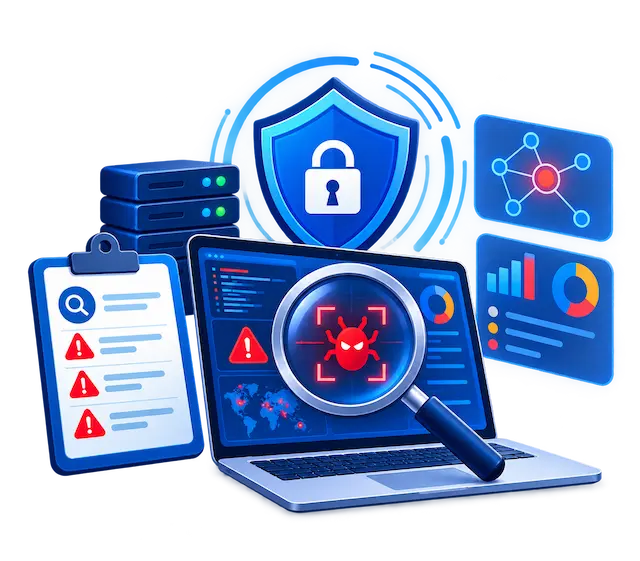
A Compromise Assessment investigates your environment for evidence of active or past cyber compromise, including malware, unauthorised access, lateral movement, suspicious account activity, persistence mechanisms, and command-and-control communications. Condition Zebra combines IOC analysis, proactive threat hunting, behavioural analysis, and investigation to uncover hidden threats, determine their potential impact, and provide clear actions for containment and remediation.

COLLECT
Gather Security Evidence
Identify and collect relevant data from endpoints, servers, networks, identities, security tools, and available logs for investigation.

ANALYSE
Investigate Suspicious Behaviour
Examine user, endpoint, network, and system activity to identify abnormal patterns, lateral movement, privilege escalation, data exfiltration, and other potentially malicious behaviour.

DETECT
Identify Indicators of Compromise
Analyse collected data for known malicious indicators, suspicious connections, malware artefacts, unusual authentication activity, and other signs of compromise.
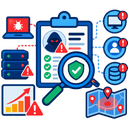
VALIDATE
Confirm Compromise & Impact
Validate suspicious findings to determine whether a compromise has occurred, identify affected systems and users, and understand the potential scope and impact.

HUNT
Search for Hidden Threats
Proactively investigate the environment for stealthy threats, persistence mechanisms, attacker activity, and suspicious behaviour that may have bypassed existing security controls.

RESPOND
Contain & Strengthen Security
Provide actionable recommendations for immediate containment, threat remediation, security improvements, and enhanced monitoring to reduce the risk of recurrence.
Endpoints & Servers • Network • Identity & Access • Logs & Security Tools
Malware & Persistence • Unauthorised Access • Lateral Movement • Privilege Escalation • Data Exfiltration • Command & Control
Scope of Assessment
We analyze multiple layers of your IT environment:
Endpoints & Servers
- Workstations and laptops
- Windows & Linux servers
- Endpoint security logs and activities
-
Network
- Network traffic analysis
- Suspicious connections and anomalies
- Lateral movement detection
Identity & Access
- User account behavior
- Privileged account activity
- Unauthorized access attempts
-
Logs & Security Tools
- SIEM logs (if available)
- Firewall, EDR, and antivirus logs
- Authentication and system logs
Our Assessment Methodology
We follow a structured threat-hunting and forensic approach:
Process Flow
1. Scoping & Data Collection
Identify systems, logs, and data sources
2. IOC-Based Analysis
Detect known malicious indicators
3. Threat Hunting
Proactively search for hidden threats and anomalies
4. Behavioral Analysis
Identify unusual patterns and suspicious activities
5. Validation & Investigation
Confirm potential compromises and assess impact
6. Reporting & Recommendations
Provide actionable remediation steps
Key Features
- Threat Hunting Expertise
Identify advanced and stealthy threats - IOC & Behavioral Analysis
Detect both known and unknown attack patterns - MITRE ATT&CK Mapping
Align findings with attacker techniques - Forensic-Level Investigation
Deep analysis of systems and activities - Actionable Response Guidance
Clear steps to contain and remediate threats
Benefits of Compromise Assessment

Detect Hidden Threats
Uncover malware, persistence mechanisms, suspicious activities, and other threats that may be operating undetected within your environment.

Improve Incident Response Readiness
Gain actionable findings and investigation insights that help your security teams improve containment, remediation, and response to future cyber incidents.
Reduce Attacker Dwell Time
Identify and investigate malicious activity earlier, helping limit the time attackers remain inside your systems and reducing opportunities for further compromise.

Gain Security Visibility
Understand your current security posture by identifying compromised systems, suspicious user activity, attack techniques, and weaknesses in existing detection controls.

Prevent Further Damage
Detect unauthorised access, lateral movement, privilege escalation, and potential data exfiltration before they lead to greater operational, financial, or reputational impact.
Strengthen Detection & Monitoring
Use assessment findings to identify monitoring gaps and improve security controls, logging, threat detection, and ongoing visibility across your environment.
Frequently Asked Questions (FAQs)
1. What is a Compromise Assessment ?
A Compromise Assessment is a targeted security investigation designed to determine whether your organisation has been breached or currently has malicious activity within its environment. It searches for indicators of compromise, malware, unauthorised access, persistence, lateral movement, and other suspicious activity.
2. How is a Compromise Assessment different from Penetration Testing ?
Penetration Testing simulates attacks to identify and exploit security vulnerabilities, while a Compromise Assessment looks for evidence of actual or past malicious activity within your environment. It answers the question: “Have we already been compromised?”
3. When should we conduct a Compromise Assessment ?
It is recommended when you suspect a breach, detect unusual activity, experience a phishing or ransomware incident, lack continuous SOC/MDR monitoring, or require additional security assurance before an audit, merger, acquisition, or major system change.
4. What systems and data are analysed during the assessment ?
Depending on the agreed scope, Condition Zebra may analyse endpoints, servers, network activity, user accounts, authentication records, and available security data from technologies such as SIEM, EDR, antivirus, firewalls, and other logging sources.
5. Will the assessment disrupt our business operations ?
No. The assessment is designed to be non-intrusive and conducted within an agreed scope, allowing our security professionals to investigate potential indicators and suspicious activities while minimising disruption to normal business operations.
6. What will we receive after the assessment ?
You will receive a comprehensive report detailing identified indicators of compromise, affected systems or users, suspicious activities, attack techniques, supporting evidence, and overall risk findings, together with actionable recommendations for containment, remediation, and improving future detection and monitoring.
Why Choose Condition Zebra
Local cybersecurity expertise backed by experienced threat hunters, advanced detection techniques, comprehensive threat analysis, and actionable response guidance to help organisations uncover hidden threats, validate potential compromises, and respond before further damage occurs.

Compromise Assessment Expertise
Experienced cybersecurity professionals conducting in-depth investigations across endpoints, servers, networks, identities, security logs, and other critical areas to identify evidence of active or past compromise.

Advanced Threat Hunting
Proactively search for hidden and stealthy threats using IOC analysis, behavioural analysis, and threat-hunting techniques to uncover suspicious activity that may have bypassed existing security controls.

Comprehensive Compromise Analysis
Investigate malware, unauthorised access, persistence mechanisms, lateral movement, privilege escalation, data exfiltration, and command-and-control activity to understand the scope and potential impact of a compromise.

Actionable Response Guidance
Prioritise confirmed findings based on risk and impact, with clear recommendations for containment, remediation, recovery, and security improvements to help prevent further compromise.

Trusted Security Partner
Local expertise backed by 10+ years of cybersecurity experience, with comprehensive reporting, practical remediation guidance, and ongoing support to help strengthen your organisation’s threat detection, incident response, and overall cyber resilience.